
I’ve spent over a decade touching skin – literally.
In clinics. In treatment rooms. In labs. And now, through formulations that live on bathroom shelves and bedside tables.
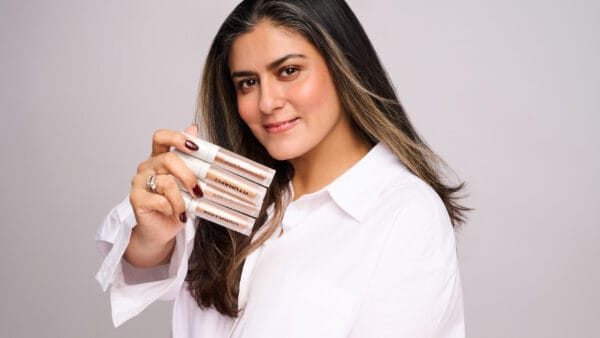
Hi, I’m Prachi. I’m a skin nerd. And I say that with a lot of affection.
After all these years, the thing I’m most confident about isn’t a hero ingredient or the latest active everyone’s suddenly obsessed with. It’s this: most people aren’t failing at skincare. They’re just moving too fast. We’ve been taught to treat skin like a problem to solve, instead of a relationship you’re meant to stay in for the long haul.
Most of what we call “skin issues” are actually communication issues.
A breakout shows up – we punish it.
Pigmentation appears – we attack it.
Texture happens – we exfoliate harder, layer more, panic a little.
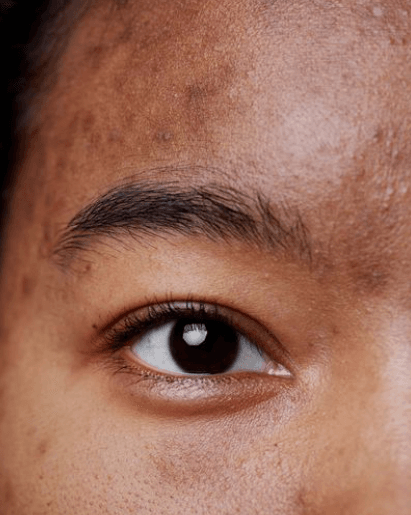
But skin, like any living system, responds terribly to aggression and incredibly well to being understood.
Skin is not misbehaving. It’s communicating.
I’ve seen this play out again and again- on clients, on friends, and very humblingly, on my own face. The skin that’s labelled “difficult” is usually just overwhelmed. Over-stimulated. Over-corrected. Under-listened.
Modern skincare culture has trained us to jump straight to solutions. Actives. Percentages. Ten-step routines with zero patience. We’re taught to fix before we observe. But biology doesn’t work like that. Your skin runs on feedback loops. Barrier function, inflammation, hydration, repair, these systems are constantly talking to each other. When we interrupt them too aggressively, we don’t speed things up. We just confuse the ecosystem.
Correction without observation is just noise.
Learning to listen to skin is less glamorous than “before-after” culture, but far more effective. It means watching patterns instead of chasing symptoms.
Does your skin flush after stressful weeks?
Does it break out when sleep disappears?
Does it feel tight after cleansing, not before?
Does pigmentation worsen when your barrier feels compromised?
These patterns matter more than any trending ingredient ever will.
This is where skincare starts to look a lot like emotional intelligence. You don’t build trust in relationships by overreacting to every bad day. You build it by responding proportionally.
In love, we know repair matters more than perfection. Skin is no different.
When you choose calm over control, support over stimulation, consistency over intensity – something interesting happens. Skin becomes more resilient. Less reactive. More predictable. Not because you “fixed” it, but because you stopped fighting it.
Healthy skin isn’t skin that never reacts. It’s skin that recovers well.
To me, love-whether in wellness or in life, isn’t about constant optimisation. It’s about paying attention, responding thoughtfully, and allowing recovery. The most exciting shift I see in skincare right now is this move away from domination and towards collaboration. Skin as an ecosystem, not a battlefield. Longevity not as anti-ageing, but as the ability to withstand stress and bounce back from it.
That’s the relationship I care about building with skin, with products, and with the people who use them. Because when you stop trying to control skin and start understanding it, it almost always meets you halfway.
Read More:
This Aromatherapy Soap Brand Is Changing How India Thinks About Bathing
Does Your Face Look Different When You’re Stressed
How To Boost Your Skin’s Radiance By Nurturing Your Mind