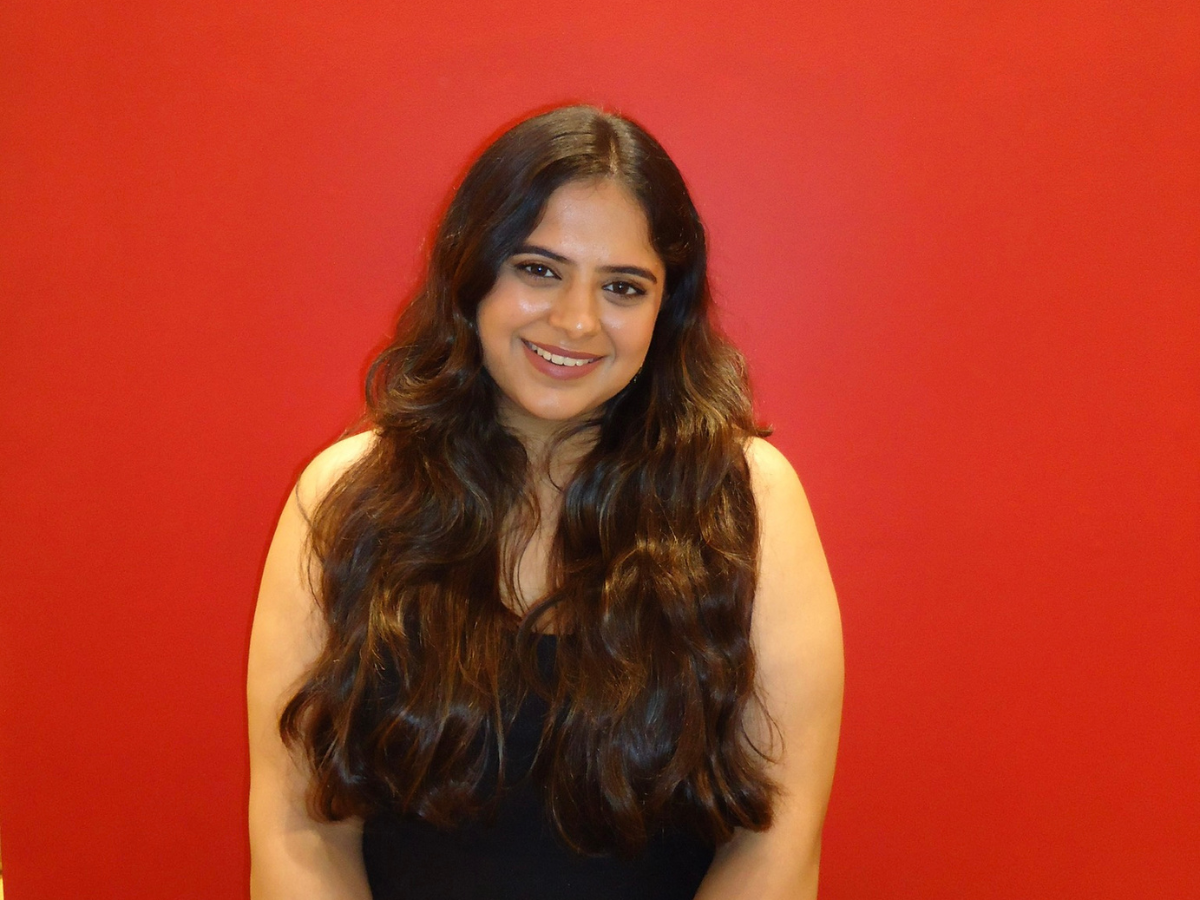
A fourth-generation perfumer brings India’s scent heritage into one of the world’s most revered cultural institutions—reframing fragrance as art, memory, and identity.
Did you know that the art of Indian perfumery is older than the Louvre itself?
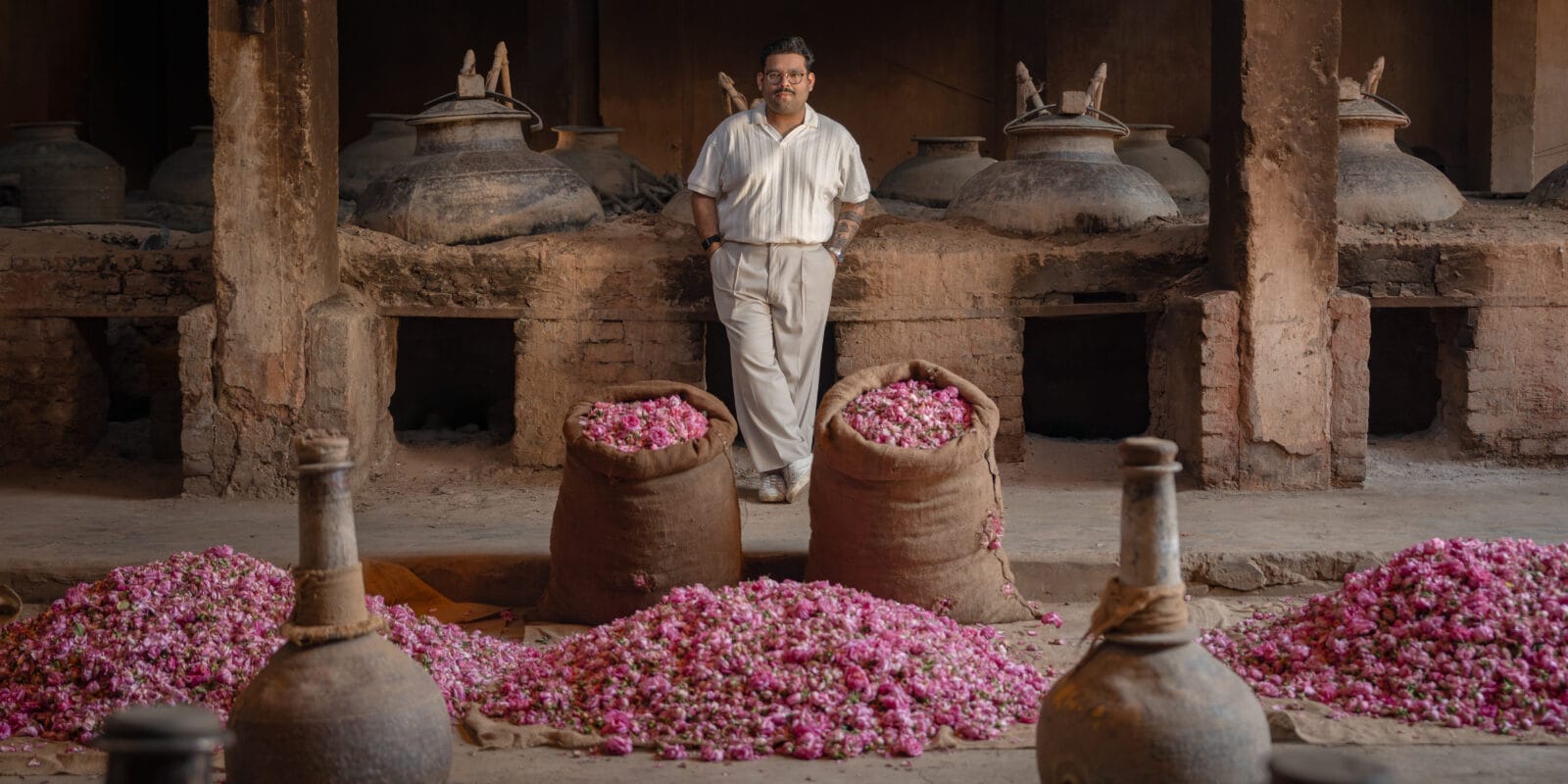
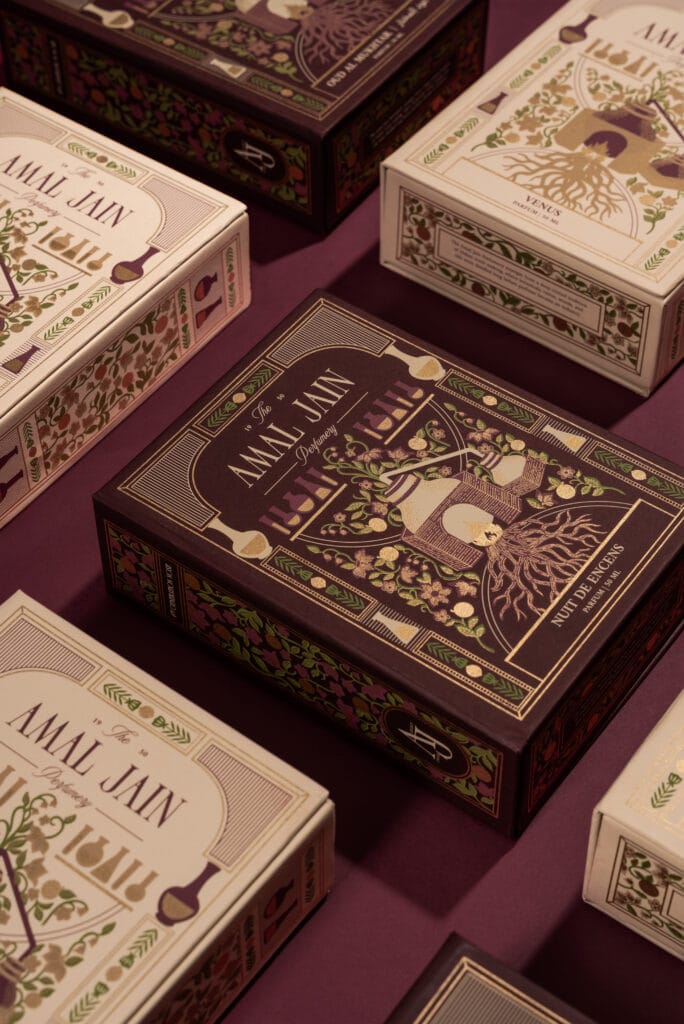
And yet, it took until April 2026 for the two to finally meet. Master perfumer Amal Jain, born into a lineage of scent-makers in Kannauj — India’s historic perfume capital — unveiled his art-first fragrance house at one of the world’s most revered cultural institutions between April 11th–12th. Shaped by traditional distillation, botanical knowledge, and a deeply personal understanding of memory and emotion through scent, Jain’s work carries a contemporary, art-first perspective that feels as much at home in Paris as it does in the narrow lanes of Kannauj. His debut signals not just a personal milestone, but a broader, long-overdue shift in how Indian craftsmanship is perceived and celebrated on the world stage.
Vanshika: Launching your fragrance house at the Louvre Museum is historic. What does this moment represent for you personally, and for Indian perfumery on the global stage?
Amal: For me, fragrance has always been an art form, capable of evoking emotion and memory much like a painting or sculpture. Presenting a fragrance house at the Louvre, one of the world’s most prestigious art and cultural institutions, is therefore incredibly meaningful. It symbolises the recognition of scent as a true artistic medium.
On a personal level, it is both humbling and deeply rewarding. More broadly, it represents an important moment for Indian perfumery. India has a rich and ancient fragrance heritage, and launching at the Louvre places that legacy within a global artistic conversation, highlighting the creativity, tradition, and innovation that Indian perfumery brings to the world stage.
Vanshika: As a fourth-generation perfumer from Kannauj, how has your family legacy shaped your creative philosophy and approach to scent-making?
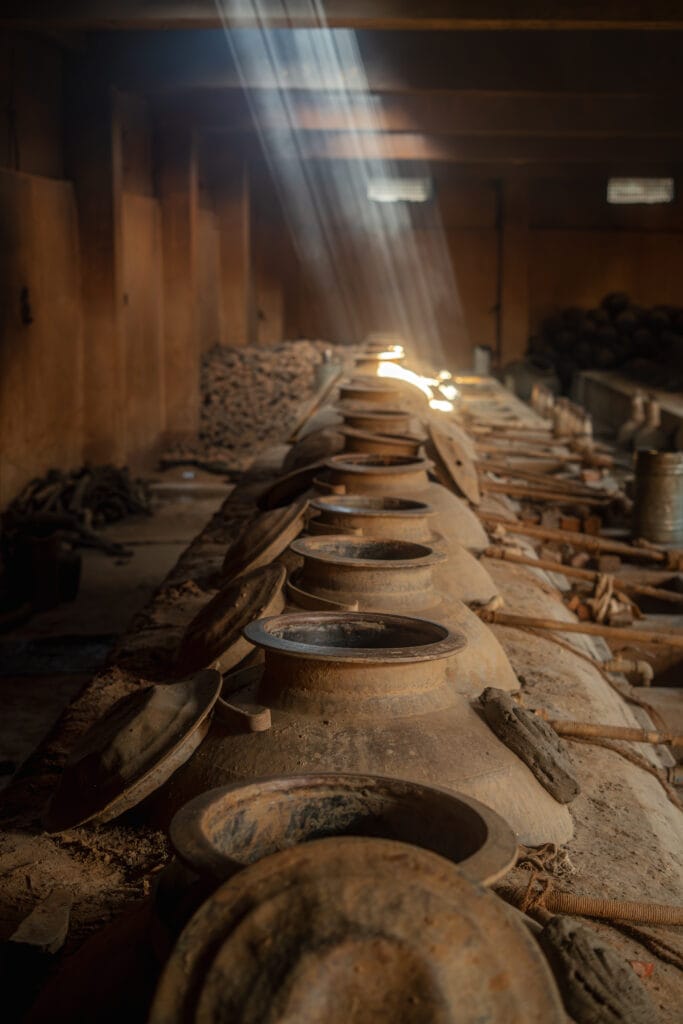
Amal: Growing up in Kannauj, I was surrounded by the craft from an early age, watching my grandfather and father carefully blend individual notes to create a complete fragrance. Seeing how singular scents could come together to form something entirely new made me realise how a simple element can evolve into something infinitely expressive.
That experience shaped my creative philosophy. Perfumery, to me, is about interpretation, transforming raw materials into an intangible emotion or memory. It has instilled in me a deep respect for tradition, while also inspiring me to explore new ways of expressing scent.
Vanshika: Your fragrances blend traditional deg–bhapka distillation with contemporary molecules. How do you balance heritage techniques with modern artistic expression?
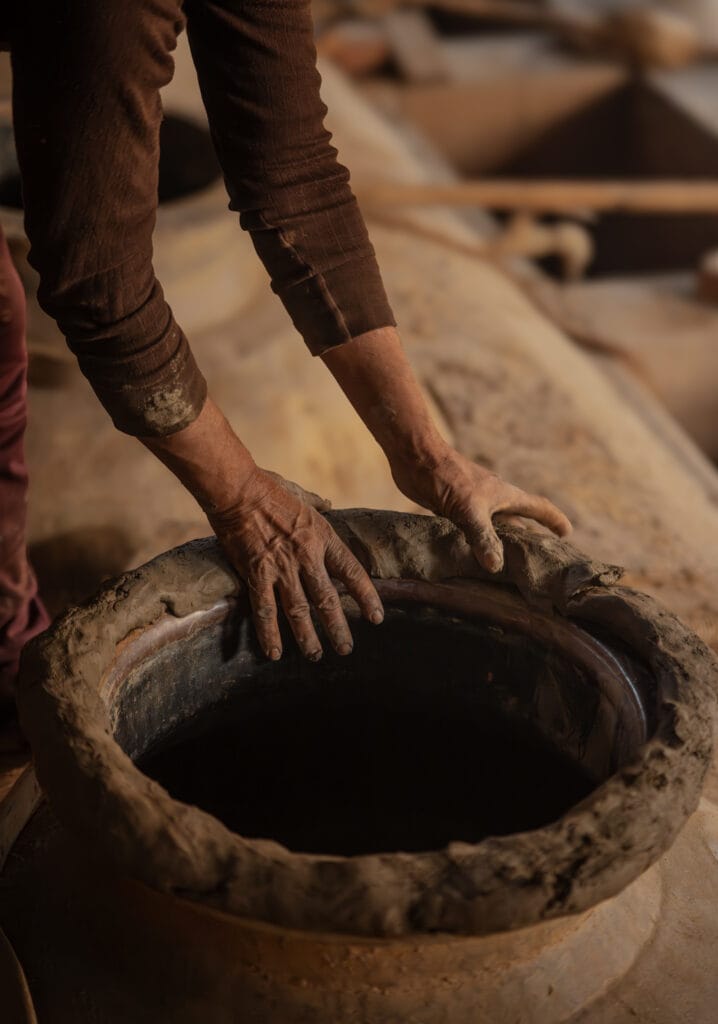
Amal: I often think of it the way another perfumer once described it to me: natural oils are like the seven colors of the rainbow such as timeless, essential, and the foundation of everything. These are the materials we obtain through traditional deg–bhapka distillation, and they carry centuries of heritage, authenticity, and depth.
Contemporary molecules, on the other hand, are like unexpected shades such as teal, neon, or iridescent tones that you don’t find in the traditional spectrum. They allow us to add new dimensions, texture, and modernity to a fragrance. For me, the balance lies in respecting essential oils as the core of the composition, while using modern molecules to expand the palette and bring new creative depth to the final scent.
Vanshika: You describe fragrance as an art form rather than a commodity. What emotions or narratives do you hope unfold when someone wears your compositions?
Amal: For me, fragrance is meant to evoke emotion and memory rather than simply function as a pleasant smell. When someone wears one of my compositions, I hope it awakens something personal, perhaps a memory from their past, a feeling they once experienced, or a moment they cherish.
More than just scent, I see fragrance as a narrative. Each creation is designed to capture a mood, a place, or an experience whether it’s the atmosphere of a city, the warmth of a memory, or a particular vibe. The goal is for the fragrance to become part of someone’s own story, unfolding differently for every person who wears it.
Vanshika: Much of your raw material is sourced and distilled in India. Why was it important to retain Indian-origin ingredients while presenting your work to a global audience?
Amal: Every country has its own soil, climate, and natural character, and India is known for its incredibly fertile land and rich botanical resources. For me, it is important to preserve and celebrate what our land naturally offers.
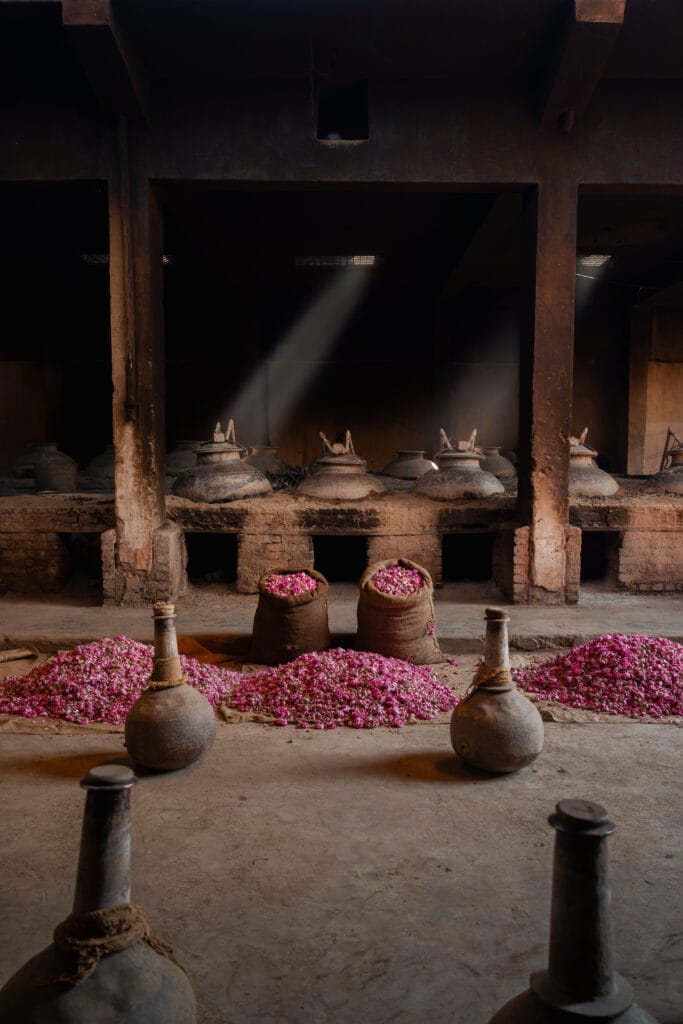
Many of the key ingredients I use such as my rose oil and sandalwood are sourced and distilled in India because of their exceptional quality. By retaining Indian-origin ingredients, I’m not only ensuring authenticity in my fragrances but also sharing the richness of India’s natural heritage with a global audience.
Vanshika: What can you reveal about the olfactory direction of the fragrances you will unveil at the Louvre Museum, from their inspiration and materials to the emotional landscape you hope each composition will evoke?
Amal: The fragrances being unveiled reflect the house’s core philosophy rooted in Indian perfumery traditions while expressed through a refined, contemporary lens. Each composition begins with raw materials sourced and distilled at origin, many of them produced in-house using traditional deg–bhapka methods, allowing the ingredients to retain their depth and authenticity.
Olfactively, the direction can be described as cultured orientals with a certain European refinement, fragrances that evolve slowly on the skin rather than revealing everything at once. They are built with controlled diffusion, natural raw materials, and often anchored by rich foundations such as ambergris, creating compositions that unfold gradually and intimately over time.
Emotionally, each scent is conceived as a story drawn from land, memory, and experience. The intention is not simply to create a fragrance, but to evoke a mood, a place, or a quiet emotional landscape, allowing the wearer to discover the narrative as it develops on their skin. In that sense, each composition is meant to feel personal, evolving with the individual who wears it.
Vanshika: Do you see this launch as a turning point for Indian perfumery globally, and what guidance would you offer emerging perfumers seeking to take India’s olfactory traditions to the world?
Amal: Having been in the industry for many years, I can see that the market is evolving very quickly. Brands are constantly looking to create something new, and I believe the fragrance industry in India is maturing at a fast pace. In the next two to three years, we will see Indian perfumery gaining even greater global attention and recognition.
For emerging perfumers, my guidance would be to deeply understand and respect India’s rich olfactory heritage while also being open to innovation. Master the traditional materials and techniques, but don’t be afraid to experiment and express your own creative vision. The future of Indian perfumery lies in balancing tradition with modernity and confidently sharing our unique scent culture with the world.
Also read:
10 Vanilla Fragrances That Are Perfect for a Date Night
Luxury Men’s Fragrances That Every Man Should Have in His Collection, According to a Fashion Photographer
3 Perfume Bottles That Are More Fascinating Than Their Scents, According to a Fashion Curator