
The first beauty ritual I ever watched wasn’t a beauty ritual at all. It was a prayer.
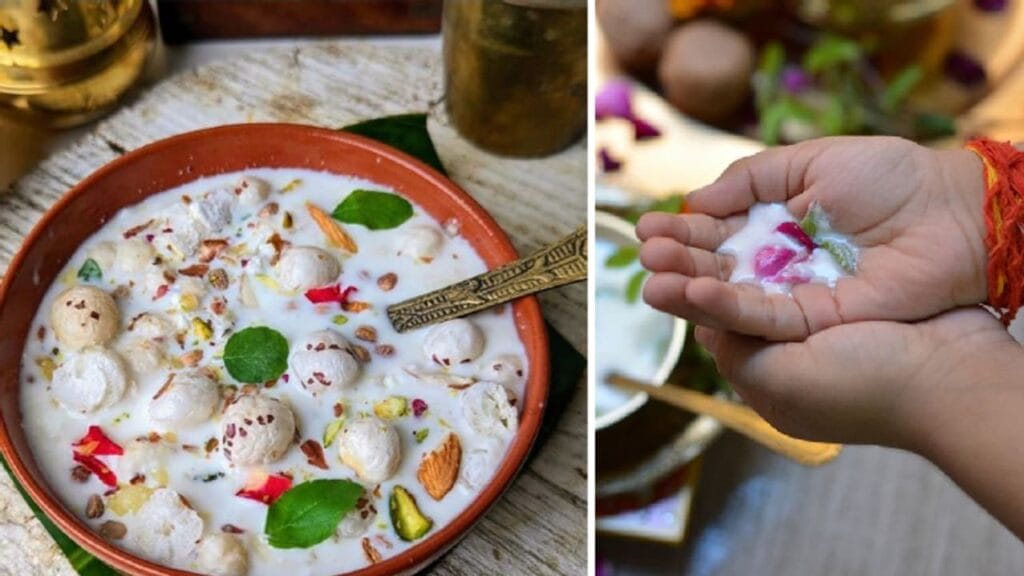
Every day my grandmother made panchamrita for her puja: milk with saffron, water, honey, ghee and curd, measured into small bowls and poured over the idols while she prayed. Afterwards she sprayed them with rose and kewda ittar, then mixed the five together and passed the bowl round to everyone who had gathered. I was usually in the room.
I didn’t think of it as beauty. Nobody there did.
It took me a long time, and a lot of airports, to work out what I’d been given. Everywhere I’ve travelled since, I’ve found some version of that kitchen: a ritual that looks cosmetic and turns out, if you follow it back far enough, to be about food, or patience, or marriage, or somebody else’s grandmother.
I’ve been collecting them for about a decade, first as a traveller and then as someone building a skincare brand, which mostly meant travelling with better questions. Somewhere along the way I noticed that none of them reached me from a shelf. Everyone was handed over by a person, in their house or their shop, usually while they were busy doing something else.
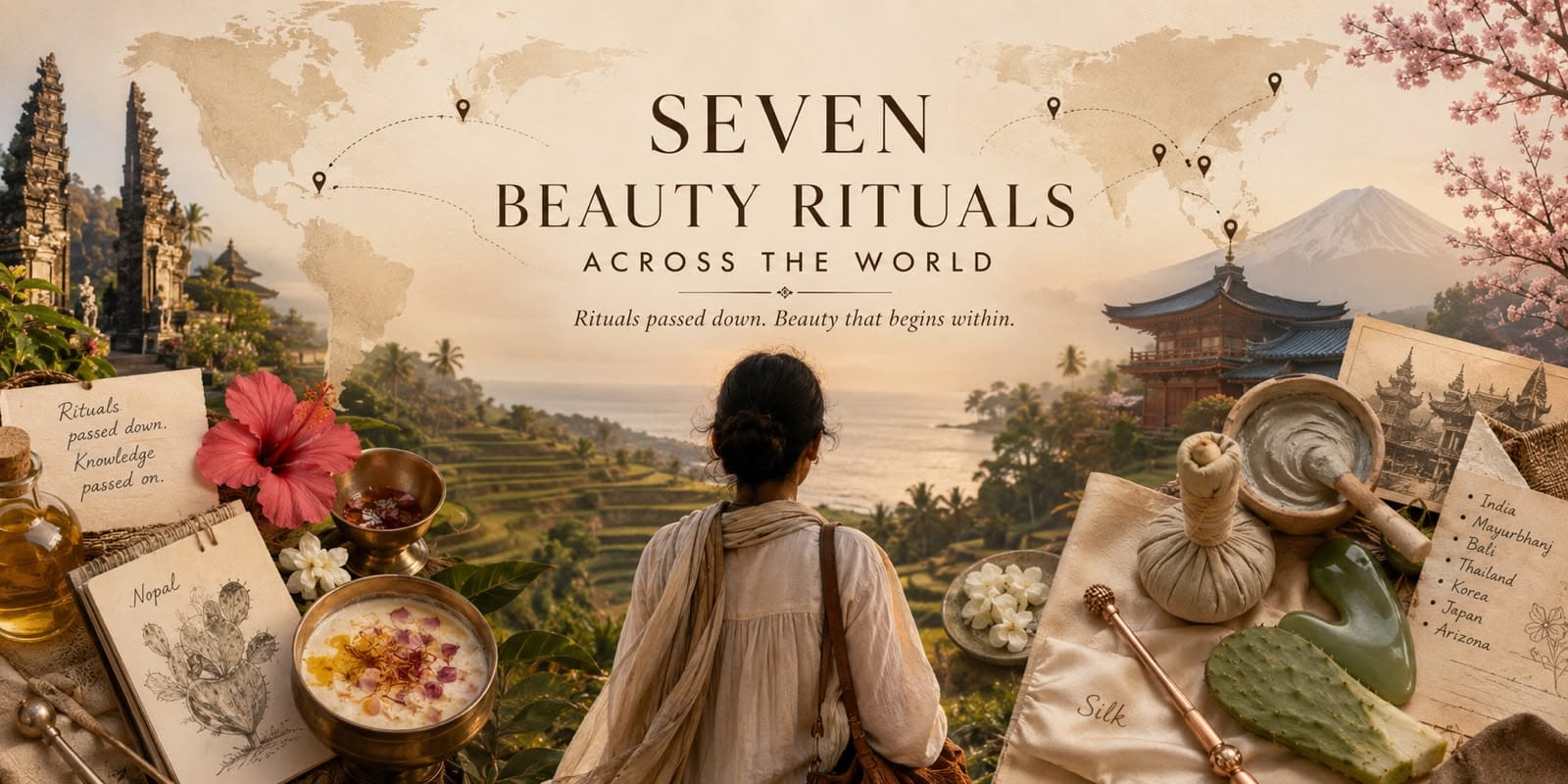
Here are seven.
1. My grandmother’s panchamrita
Panchamrita means the five nectars, panch and amrita, and it belongs to Vedic prayer rather than to anybody’s skincare routine. Milk and saffron, water, honey, ghee, curd. The five are used to bathe the idols during puja, scented afterwards with rose and kewda ittar, then mixed together and savoured by everyone who has gathered to take part.
Two things about it took me twenty years to understand.
The first is that every ingredient came out of the kitchen. Milk, honey, ghee, curd and saffron are food, and once they had been poured over stone they went into our mouths. The same substances anointed and nourished, and nobody in that house considered those two different jobs. The hair oiling I grew up with came from the same logic: coconut or sesame warmed in the pans that made dinner, sometimes steeped with hibiscus or fenugreek, and ubtan ground at home from gram flour and turmeric and milk before a wedding. There was no separate cabinet for beauty, because the idea of one wouldn’t have made sense.
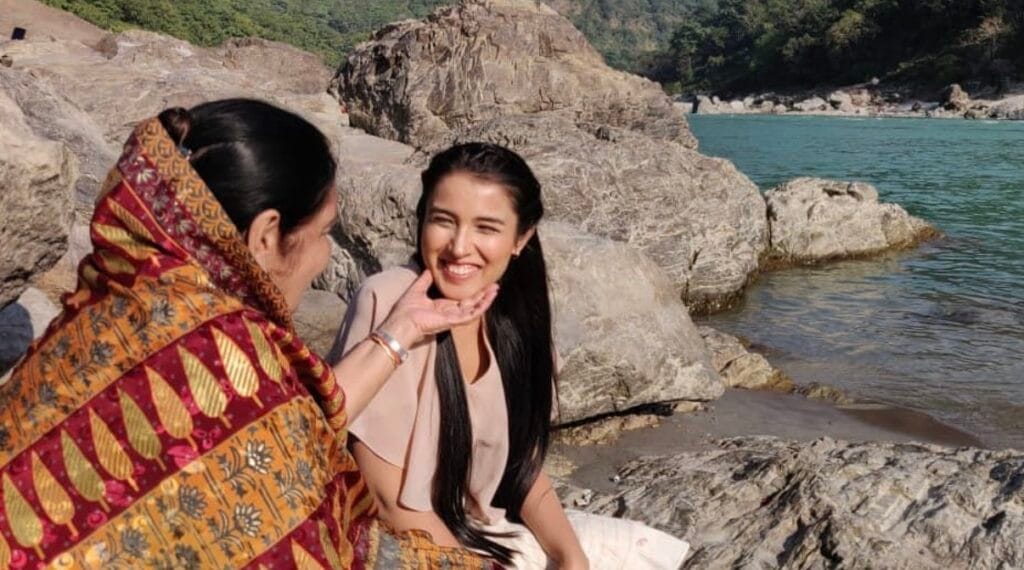
The second is that it was always women. My grandmother made it, other women helped, and the bowl went round a room of them. What I was watching, without having any word for it, was how the women in that house looked after each other and everyone they loved, using whatever was in the pantry.
I learned the whole idea behind this column before I could read.
2. Hibiscus and Mahua, in Mayurbhanj
Mayurbhanj sits in the north of Odisha, a tribal-majority district thick with sal forest, and it is not where most beauty writers end up. I learned its rituals from Princess Mrinalika Bhanj Deo, whose family ruled the region for a thousand years and who now runs the Belgadia Palace as a boutique stay built around local craft and community work. Two things stayed with me.
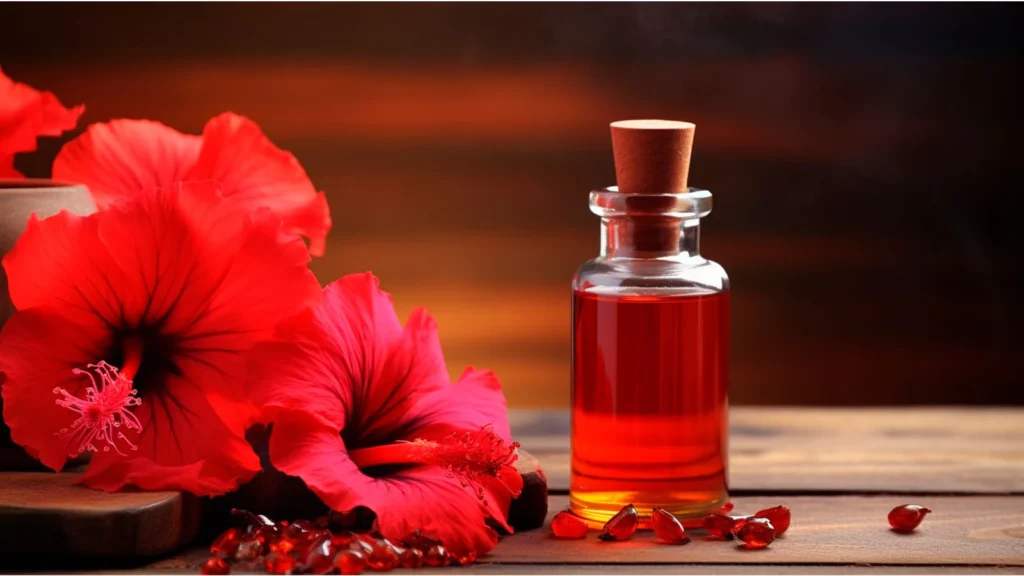
The first was hibiscus hair oil, the flower steeped or ground into a base oil and massaged into the scalp. Same architecture as the oiling I grew up with, different plant doing the work. Hibiscus is what you reach for there when hair is greying or thinning or generally misbehaving.
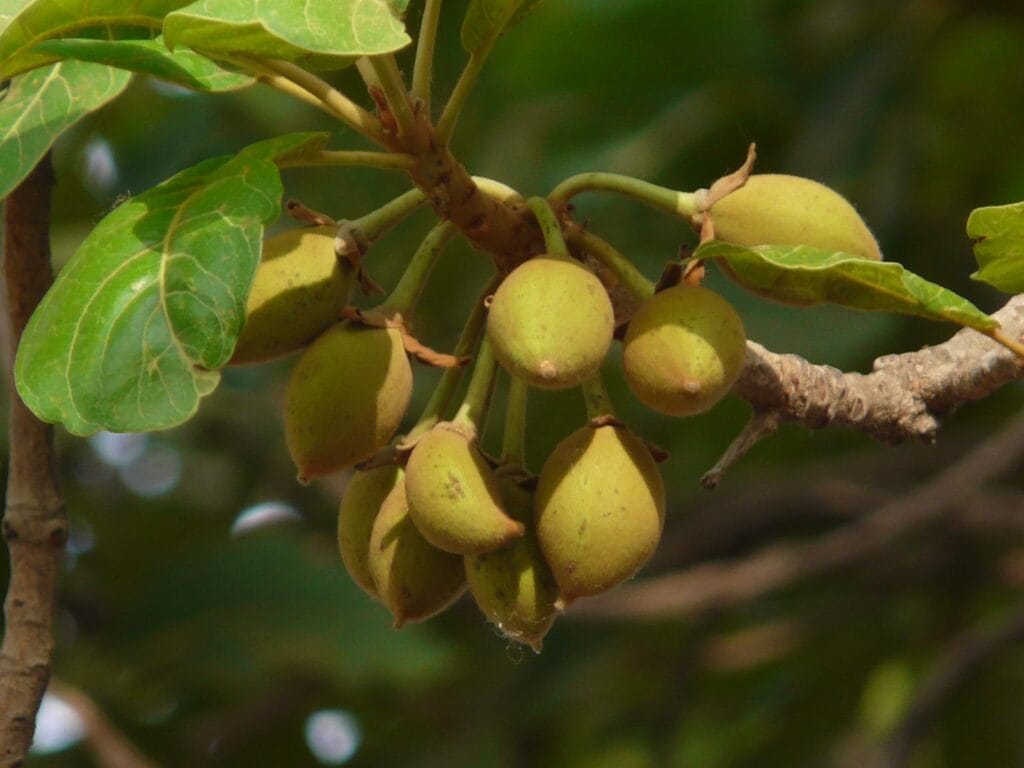
The second was Mahua, which I had never used. Madhuca longifolia is a tree so central to life in that belt that its flowering has its own season and its own economy. The flowers are eaten and fermented. The seeds press into a heavy butter that goes onto skin, and Mrinalika described it to me the way you would describe an anti-ageing ingredient, except that nobody there is marketing it as one. They have simply been using it for generations, and cooking with the same tree.
Some of it became a collection. Mrinalika put the intention behind it more simply than I could: The Mayurbhanj collection was inspired by beauty secrets passed down by women of the erstwhile royal family and pays homage to the indigenous groups who have resided in the state. The names of the oils are based on the Santhali words: ‘kukumu’ meaning dreams, ‘phakura’ meaning wings, and ‘baha’ meaning hibiscus. The copper wing face tool, ‘phakura,’ is special because it was inspired by the peacock wings on our family emblem and is reminiscent of the ‘kansa’ pots we used in our rasoi ghar. The community I grew up around has been my forever inspiration and I hope when you use this collection, the sensory experience can transport you, albeit momentarily to the land of art and culture – Mayurbhanj.
3. The Balinese Lulur
I went to Bali expecting spa treatments and found something closer to a wedding tradition.
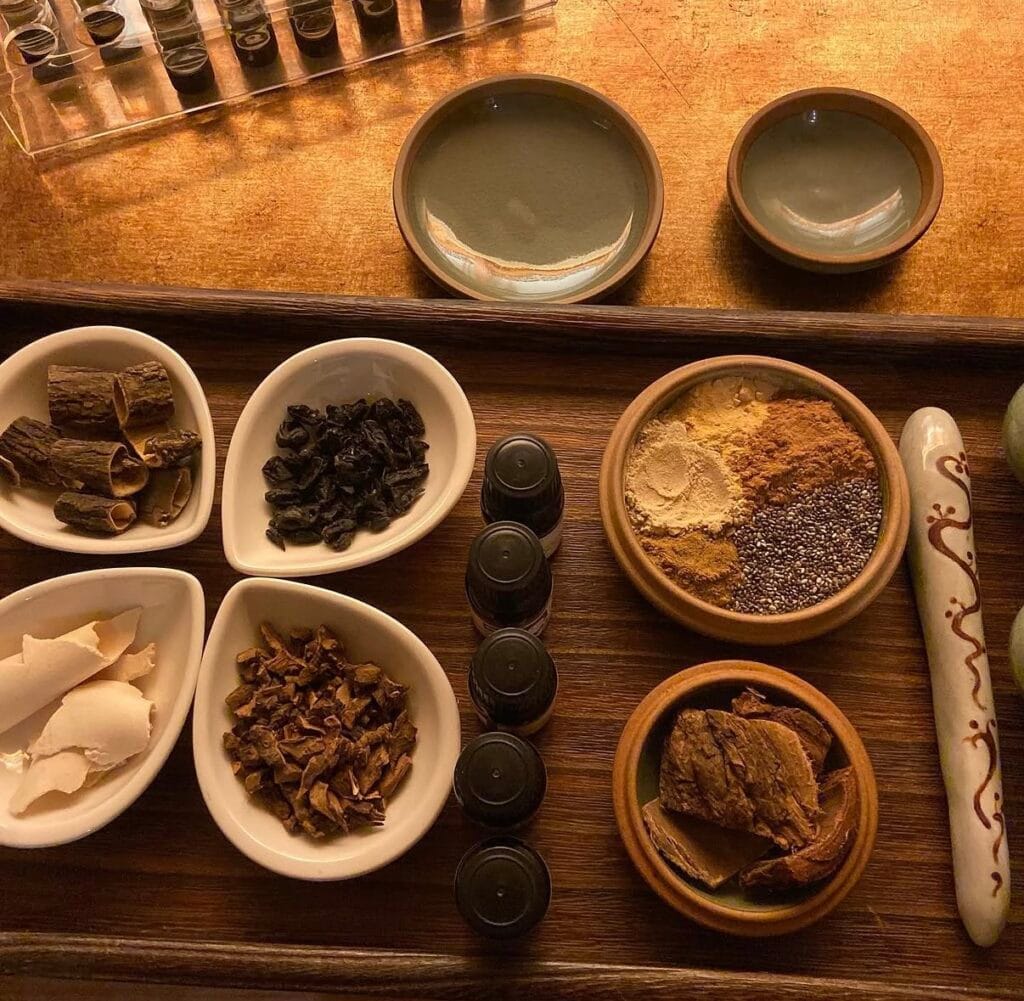
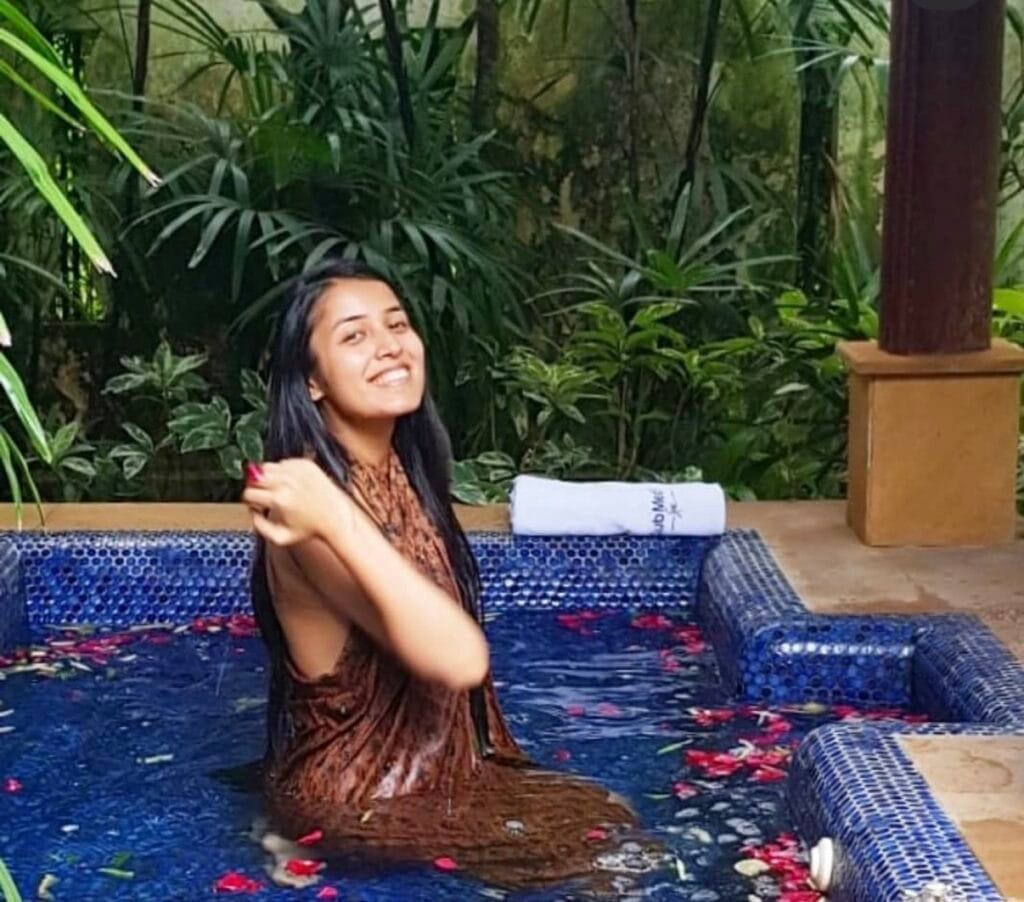
Lulur is a coarse, fragrant scrub of coconut husk, ground coffee or ground rice, mixed with clays and herbs and essential oils. It comes after a cleansing and a foot soak, and it is worked across the whole body with real pressure rather than politely buffed on. Afterwards there is a floral bath. It’s a bridal ritual. Balinese women do it before their wedding day, in company, with other women’s hands on them, and I sat there recognising it before anyone explained it to me. It’s ubtan. It’s the haldi ceremony. Two islands and several thousand kilometres apart, and both cultures landed on the idea that before the biggest day of your life somebody who loves you should scrub you with food.
4. Lu Pra Kob, and a field of lemongrass
Thailand is where the collecting stopped being a hobby.
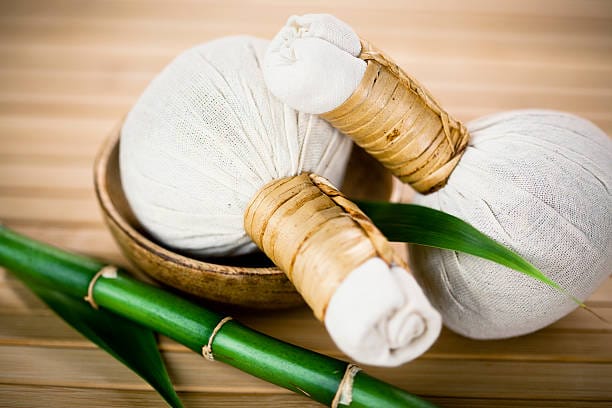
Lu Pra Kob is a herbal compress, warmed and pressed along the body, packed with native ingredients: Kha-men, Puew-Makruk, Ma-Kham, Bai Som Poy and Ta-Krai, which is lemongrass. Anyone who’s had a potli massage in an Ayurvedic clinic will recognise the shape of it immediately: a hot bundle of herbs applied with pressure. The lemongrass goes on last to close the ritual—antibacterial, antifungal, and very calming. Around it sits a body masking with Din Sor Pong, the mineral-rich Thai clay, and a herbal bath. I drove past fields of lemongrass on that trip and stopped at a roadside shop to smell freshly cut citronella for much longer than was reasonable.
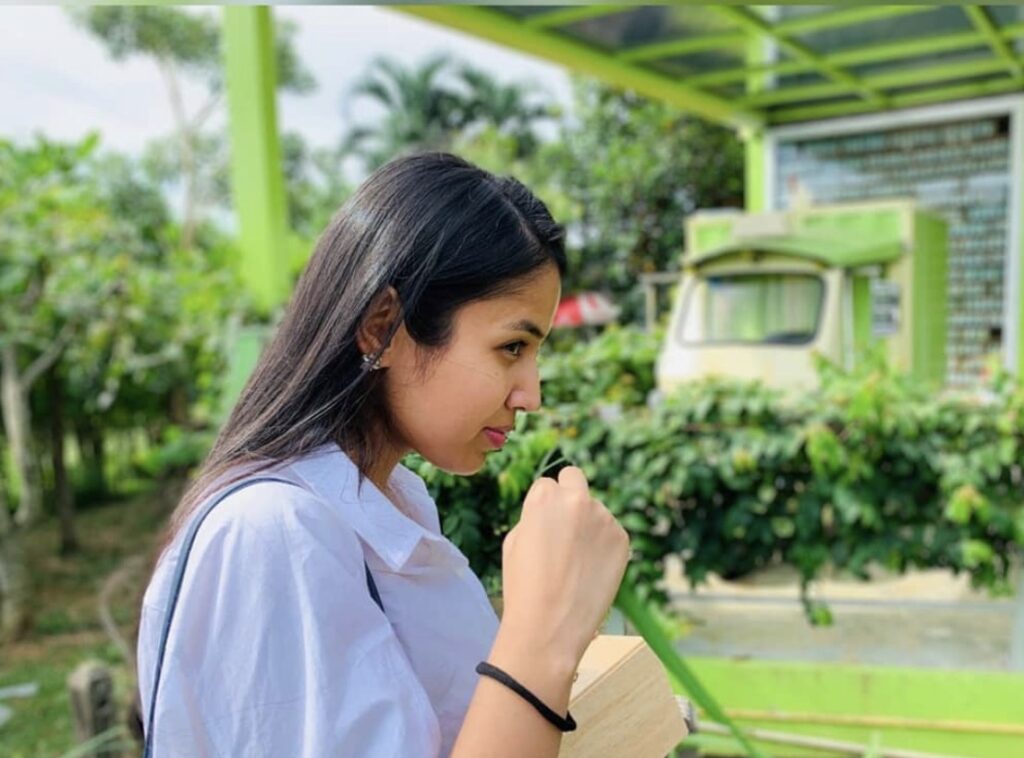
The other thing I brought home was the Kranok, the flame-like motif that runs across Thai temples and manuscripts and landmarks until you stop noticing it as decoration. It became our packaging. The lemongrass tint, the pattern, all of it. Which is an odd thing for a founder to admit in public: the most commercial object I own started as a smell in a field and a shape on a temple wall.
5. Hwasadoksul, in a Quiet Spa in Seoul
Everyone knows the ten-step routine. Almost nobody outside Korea has heard of Hwasadoksul.
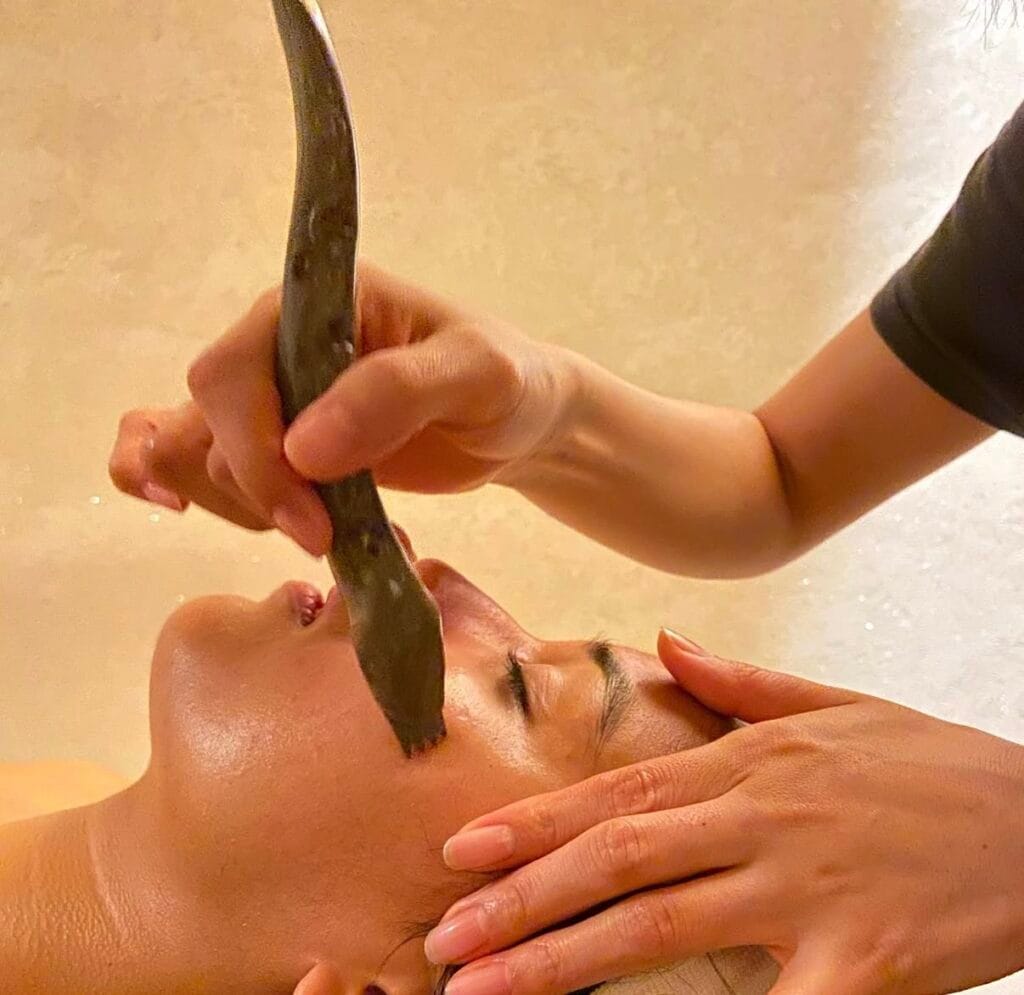
I watched a practitioner work with a hwasa, a thin stick with a spiked end used to stimulate pressure points across the face and body. There are three kinds, made from different clays, each said to do something slightly different. No machines, no devices with a charging cable, just a stick and several centuries of accumulated opinion about where to put it.
The spa takes its name from an old idea, that a woman tends her face the way a king tends a country. They work with over a hundred fermented plants and they assess before they treat, on the assumption that everybody’s physiology is different and nobody should get the same protocol. What I actually wrote down, though, was simpler. They believe the skin has to be fundamentally strengthened before you treat it. Most of the industry I work in treats first and hopes the skin holds.
6. Junko’s Silk Puff
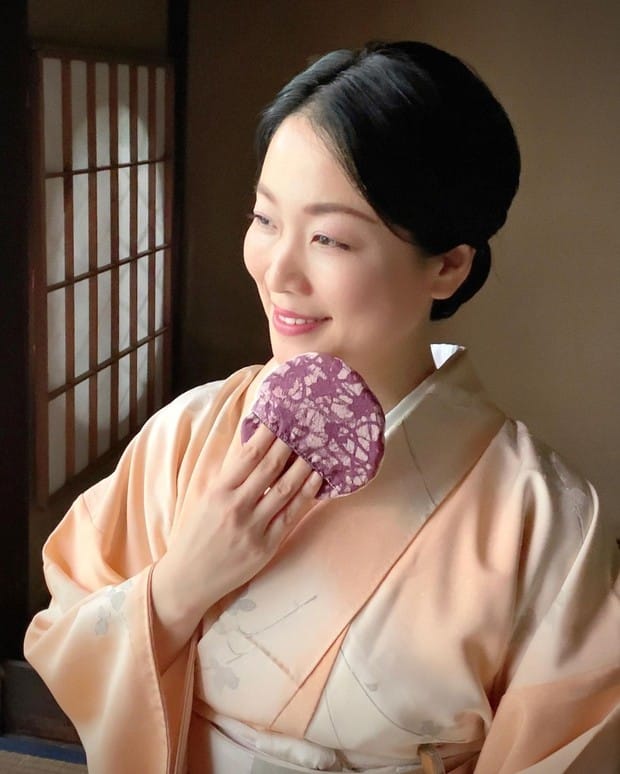
Kyoto has been weaving silk for more than a thousand years, and a trade that old produces offcuts, remnants too small for a garment and too good to throw away. Junko Sophie Kakizaki, a leading Japanese Culture influencer, taught me to dampen one and work it gently over my face in the morning. That’s the whole cleanse. No foam, no second product, about ninety seconds. My skin liked it immediately, but what stayed with me was the logic of it: a material that had already lived one life doing a second job, inside a routine that takes a step away rather than adding one. I could write a whole piece on what Japan taught me, and next month, with Junko, I’m going to.
7. Nopal: The Making is the Medicine
I went to Phoenix to understand how Indigenous wellness traditions handle the thing the rest of us call work-life balance, and ended up at Felicia Cocotzin Ruiz’s Hummingbird Gathering. Felicia is a curandera, a traditional healer and medicine woman who keeps harmony between nature, spirit and the self, and who draws on Indigenous traditions from both sides of the border. She learned the way almost everyone else in this column learned. Her great-grandmother and her mother taught her plants and folk remedies while she was growing up, and she built on that with massage therapy, culinary training, and years of learning from Native American grandmothers. Twenty-three years of it before she would call herself trained.
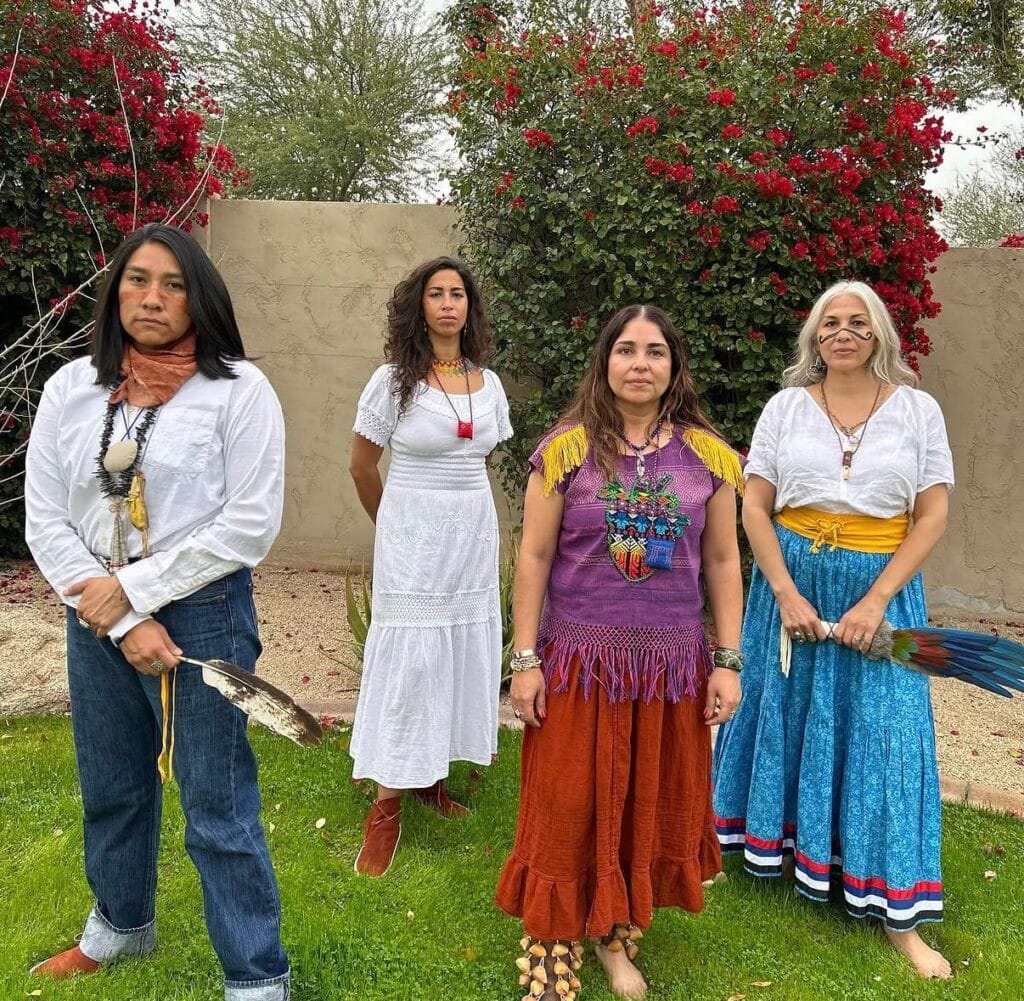
The gathering is named for the hummingbird, which in these traditions carries messages from the ancestors. It’s a room of women. You mark what you’ve already managed, and you ask the people who came before you for help with what you haven’t. Sitting in it, I recognised the shape of my grandmother’s prayers without being able to say why. Felicia also taught me a face mask made from opal, the prickly pear cactus. The pads are cleaned and blended and used fresh. It’s cooling and slippery and enormously hydrating, and it comes out of soil that has no business producing anything that generous.
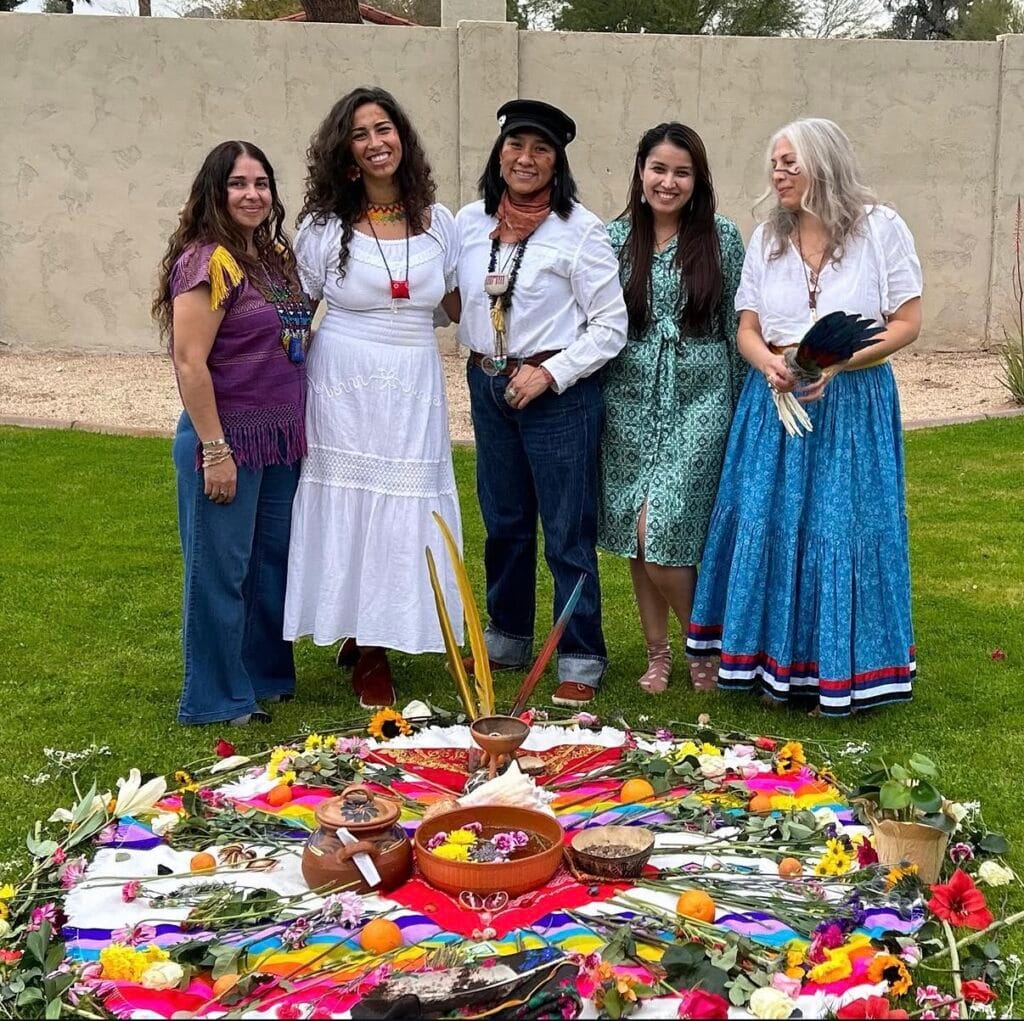
The mask wasn’t really the point. What I took home was the way she made it, unhurried and fully attentive, treating the plant as a participant rather than an input. And the thing she said about balance, which I’ve repeated to a lot of founders since: she doesn’t believe in work-life balance as an equal division at all. Her elders taught her harmony instead, flow between the parts of a life rather than a scale that has to sit level. Her own daily rituals are small enough to actually keep, an energising spritz of lime or rose in the morning, something earthy burned before bed. Her book, Earth Medicines, is full of them.
The other thing she told me was that food was where she saw people change fastest. Whole and traditional foods instead of processed ones, and within weeks a difference in energy she could see. Twenty-three years in, that’s what she leads with. I flew home and looked at my own bathroom shelf differently.
What all seven have in common:
I went looking for beauty secrets and kept finding kitchens.
Every ritual here traces back to something ordinary: milk and honey that were going to be drunk anyway, an oil already in the pantry, a grain already being ground for dinner, a tree whose flowers are eaten in the same season its seeds are pressed for skin, a cactus, a scrap of silk that had already been something else. And every one of them arrived through a person. A grandmother, a princess, a curandera, a friend in Kyoto, a practitioner in Seoul who had done it ten thousand times.
The products came afterwards, downstream, as convenient translations of things that used to be made at home by people who knew you. That isn’t an argument against products, since I build them for a living. It’s an argument for remembering what they’re translating.
Next month I’m going deeper into one of these, with Junko, in Japan. After that, the rituals I’ve started passing on to my own daughter, which turn out to have much less to do with skin than I expected.
From the surface, to the source.
Read More:
6 things I wish I knew before going to a Turkish Hammam
11 successful Indian beauty entrepreneurs share their best self care habits
Glow Hour: What if a consultation could delight — and a waiting room felt like a living room?